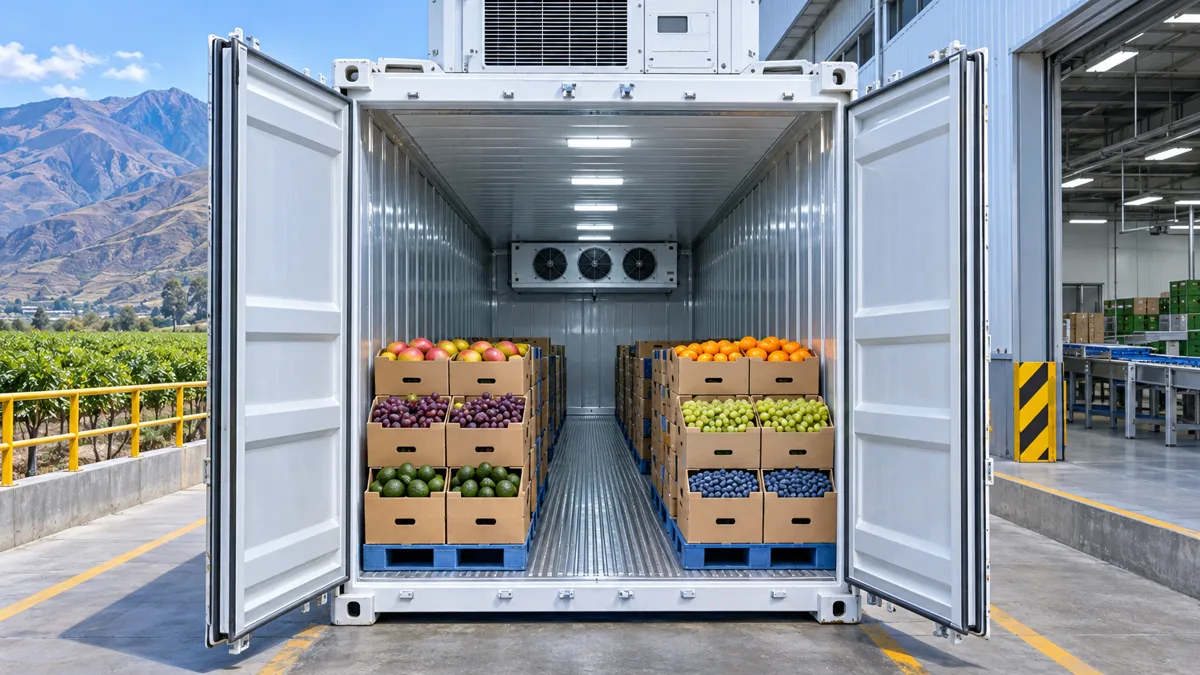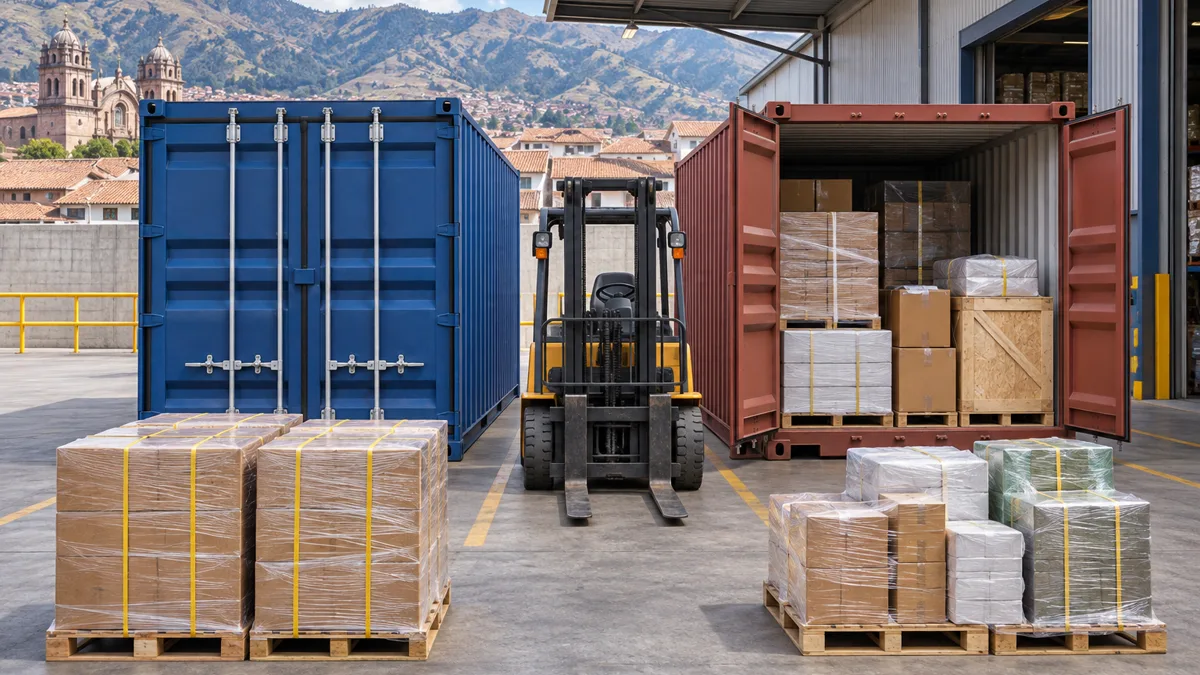
FCL reserves a container for your shipment, even if it is only partly filled. LCL combines your goods with other shipments in a shared container. For ocean freight to Peru, compare what you will pay to reach the same delivery point, and when the goods will actually be available to collect.
What to ask about each service
- Full container load. Ask which terminal and inland charges are included, how many free days apply and who arranges the empty return. Confirm who pays if the equipment is returned late.
- Less than container load. Ask how the shipment is rated, whether a minimum charge applies and where the freight will be unpacked. Request the consolidation, deconsolidation and destination handling fees in writing.
Compare like for like
- Send each forwarder the same cargo dimensions, gross weight, origin, readiness date and final destination. Include any limits on stacking or handling.
- Use the same Incoterm and delivery point. List origin charges, ocean freight, destination handling, customs brokerage and inland delivery separately.
- Confirm port of discharge, connections and cargo availability. An arrival date at port and a collection date at the warehouse can differ, especially with consolidated freight.
A shipment from China to Lima
Suppose you are buying four pallets from China and need them delivered to Lima. Request both a consolidated quote and a full-container quote where the route offers both. Check whether the price includes warehouse release and local delivery. If your goods are fragile or due on a particular day, ask about handling steps and the earliest realistic pickup. For the port decision, see our comparison of Chancay and Callao.
Sources: UN/CEFACT maritime terminology · Maersk’s FCL and LCL comparison · Example carrier terms for LCL.
Cover: AI-generated editorial illustration.